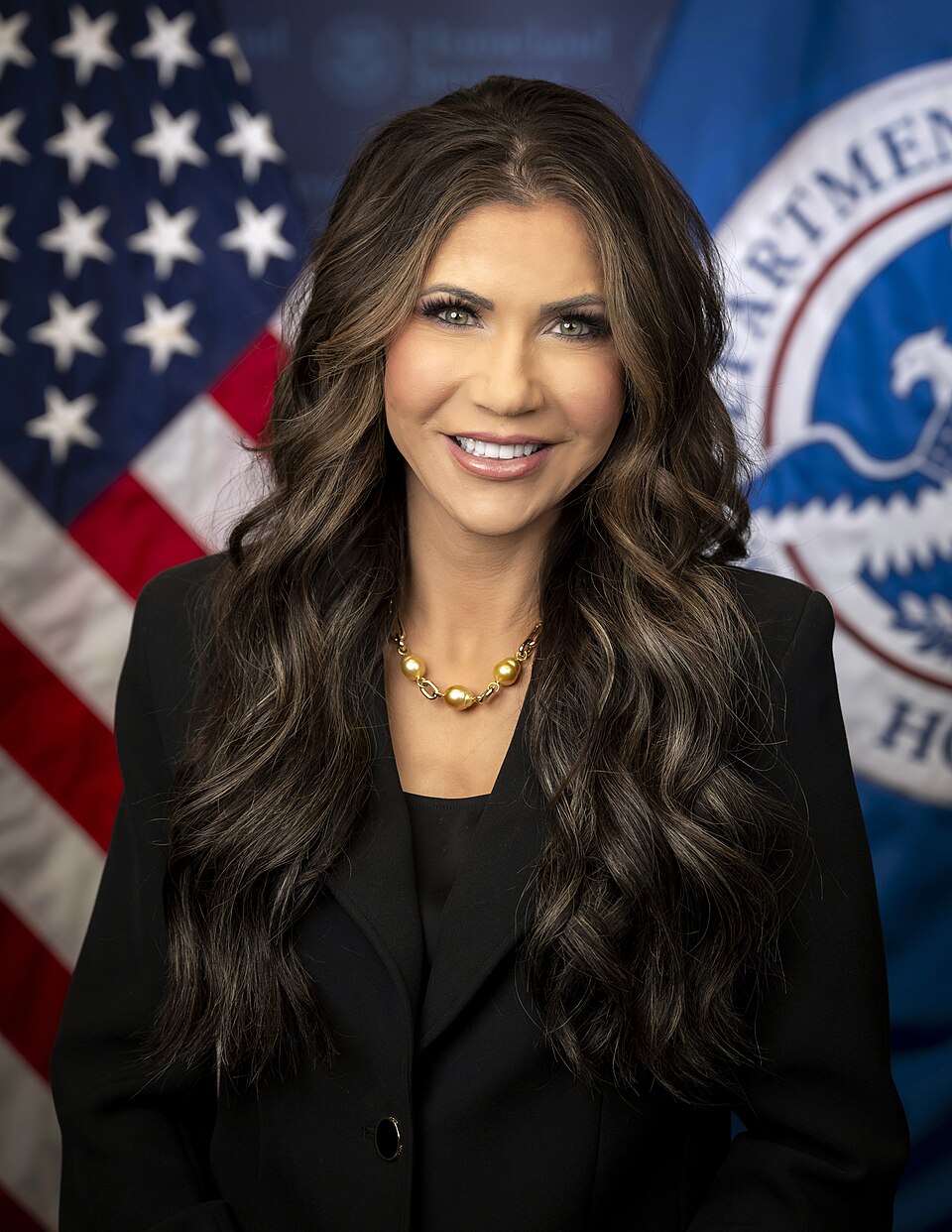
Noem's Unwavering Stance: Defending the Minneapolis ICE Shooting and Vowing Enhanced Enforcement
In a move that has ignited significant debate across the nation, Homeland Security Secretary Kristi Noem recently reaffirmed her steadfast defense of the controversial fatal shooting involving Immigration and Customs Enforcement (ICE) agents in Minneapolis. Doubling down on her commitment to robust border security and interior enforcement, Secretary Noem not only justified the actions taken by agents but also pledged a significant surge in personnel, promising to deploy "hundreds" more agents to various fronts. This declaration comes amidst a complex landscape of legal challenges to her policies and ongoing public scrutiny of federal immigration enforcement.
The incident in Minneapolis, while specific in its details, has become a flashpoint in the broader discussion about the use of force by federal agents and the operational mandates of agencies under the Department of Homeland Security (DHS). Secretary Noem’s resolute defense signals a clear intent to prioritize the safety and authority of her agents, emphasizing the challenging and often dangerous conditions they face. Her announcement of a substantial increase in agent deployment underscores a strategy focused on heightened enforcement, a cornerstone of the current administration's approach to national security and immigration. For those monitoring developments in
Secretary Noem's Controversial Homeland Security Actions, this latest pronouncement is a consistent echo of her broader policy agenda.
The Mandate of the Department of Homeland Security: Beyond Enforcement
To fully grasp the implications of Secretary Noem’s statements, it’s essential to understand the vast and multifaceted responsibilities of the United States Department of Homeland Security (DHS). Created in the wake of the September 11, 2001, terrorist attacks, the DHS serves as the federal department tasked primarily with ensuring public safety in the United States. Its head, the Secretary of Homeland Security, is a critical member of the President's Cabinet, overseeing an expansive network of agencies crucial for national defense and civil security.
The department’s remit extends far beyond just immigration enforcement. It consolidates a diverse array of components, many transferred from other Cabinet departments due to their direct role in what the French aptly term "sécurité intérieure" – homeland security. These include:
* **U.S. Customs and Border Protection (CBP):** Responsible for securing U.S. borders and ports of entry, including the vital work of the United States Border Patrol.
* **U.S. Immigration and Customs Enforcement (ICE):** Focused on immigration law enforcement, including interior enforcement and investigations carried out by Homeland Security Investigations (HSI).
* **The United States Coast Guard:** A military, multi-mission, maritime service with roles in homeland security, law enforcement, and search and rescue.
* **The Federal Emergency Management Agency (FEMA):** Leading efforts to prepare for, protect against, respond to, recover from, and mitigate all hazards.
* **The Transportation Security Administration (TSA):** Responsible for security across all modes of transportation.
* **The United States Secret Service:** Protecting national leaders and critical infrastructure.
* **The Federal Protective Service:** Protecting federal buildings and properties.
This extensive portfolio highlights the intricate balance Secretary Noem must strike between various critical functions, from disaster response to cybersecurity, alongside the often-contentious issues of border and immigration control. The decision to reinforce ICE operations with "hundreds" more agents, therefore, is not merely about increasing manpower but reflects a strategic prioritization within this massive organizational structure. It signals a robust, enforcement-first approach to certain aspects of *noem sécurité intérieure*, even as other divisions tackle different threats.
Legal Hurdles: Federal Court Declares Noem's Immigration Policy Unlawful
Secretary Noem's assertive stance on enforcement arrives concurrently with significant legal setbacks to her immigration policies. A three-judge panel of the 9th Circuit Court of Appeals recently concluded that Secretary Noem acted illegally when her department moved to strip deportation protections for nationals from Venezuela and Haiti. This ruling, reported on January 29, 2026, by The Hill, represents a considerable challenge to the administration���s authority in setting immigration policy and underscores the checks and balances inherent in the U.S. legal system.
The court's decision, which included a concurring opinion highlighting the involvement of both Secretary Noem and President Tru (presumably former President Trump), serves as a stark reminder that executive actions, particularly those impacting fundamental human rights and established legal protections, are subject to judicial review. The removal of these protections would have placed thousands of vulnerable individuals at risk of deportation to countries facing significant humanitarian crises, violence, or political instability. The court's intervention reaffirms the principle that such sweeping policy changes must adhere to existing legal frameworks and due process. This pivotal judgment is detailed further in our article:
Federal Court Deems Noem's Immigration Policy Illegal.
This legal defeat complicates Secretary Noem's broader agenda and could embolden critics who argue that her department’s policies sometimes overreach or disregard established legal precedents. It also highlights the intricate interplay between executive power, congressional legislation, and judicial oversight in shaping U.S. immigration law.
The Broader Implications: Navigating Security, Law, and Public Trust
The twin developments—Secretary Noem's defense of the ICE shooting and vow for more agents, alongside the federal court's ruling against her immigration policy—paint a complex picture of her leadership at the helm of Homeland Security. They reveal a tension between a resolute focus on enforcement and the legal and ethical boundaries within which such enforcement must operate.
**Key Implications for "Noem Sécurité Intérieure":**
1. **Balancing Enforcement and Due Process:** The commitment to increased agent deployment signals a prioritization of robust enforcement. However, the court ruling reminds us that this must always be balanced with adherence to due process and existing legal protections for individuals.
2. **Public Perception and Trust:** High-profile incidents like the Minneapolis shooting, coupled with controversial policy decisions, inevitably shape public perception of DHS and federal law enforcement. Maintaining public trust requires transparency, accountability, and a clear demonstration that actions are both lawful and just.
3. **Role of the Judiciary:** The federal court's intervention underscores the vital role of the judiciary in acting as a check on executive power. It ensures that even in matters of national security and immigration, governmental actions are subjected to legal scrutiny.
4. **Policy Cohesion:** The internal contradictions between an "enforcement first" stance and legal rulings against specific policies suggest potential challenges in creating cohesive and legally sustainable immigration strategies under Secretary Noem.
**Tips for Understanding These Developments:**
* **Stay Informed on Legal Challenges:** Court rulings often provide crucial context for understanding the legality and sustainability of governmental policies.
* **Analyze the "Why" Behind Deployments:** Consider the stated justifications for increased agent deployments and evaluate them against broader departmental goals and current events.
* **Recognize the Human Element:** Remember that immigration policies and enforcement actions have significant impacts on human lives and communities.
The discussions surrounding Secretary Noem’s tenure, particularly regarding *noem sécurité intérieure* and immigration, are far from over. They reflect fundamental debates about the nature of national security, the rights of individuals, and the appropriate scope of governmental power in a democratic society.
Conclusion
Secretary Kristi Noem's resolute defense of the Minneapolis ICE shooting and her pledge to deploy "hundreds" more agents underscore a clear strategic direction for the Department of Homeland Security under her leadership: one focused on unwavering enforcement. This commitment to strengthening federal presence and action is a definitive statement on how she envisions ensuring *noem sécurité intérieure* for the nation. However, this assertive posture is concurrently being tested by significant legal challenges, most notably the federal appeals court ruling that deemed her removal of deportation protections for Venezuelan and Haitian nationals to be illegal. These contrasting developments highlight the complex and often contentious landscape of homeland security and immigration policy in the United States. Navigating the delicate balance between robust enforcement, legal compliance, and the maintenance of public trust remains the central challenge for Secretary Noem and the Department of Homeland Security. The ongoing interplay of executive action, judicial oversight, and public discourse will continue to shape the future of these critical national issues.