Federal Court Deems Noem's Immigration Policy Illegal: A Blow to Executive Authority
In a significant legal development that reverberated through the corridors of Washington D.C., a federal appeals court has ruled that Homeland Security Secretary Kristi Noem acted unlawfully in her attempts to remove deportation protections for Venezuelan and Haitian nationals. This decision, reported on Thursday, January 29, 2026, by American media outlet The Hill, marks a substantial check on executive power and underscores the intricate legal framework governing U.S. immigration policy. The three-judge panel of the 9th Circuit Court of Appeals delivered a unanimous opinion, sending a clear message that even high-ranking officials like Secretary Noem must operate within the bounds of established law and precedent.
The ruling directly challenges Secretary Noem's approach to Homeland Security actions, particularly concerning vulnerable immigrant populations. It not only provides immediate relief to thousands of individuals from Venezuela and Haiti but also sets a critical precedent for how future administrations and Secretaries of Homeland Security must approach changes to immigration status and protections. This legal defeat comes amidst a broader backdrop of robust immigration enforcement policies championed by Noem, bringing her leadership and the scope of her executive authority under intense scrutiny.
A Landmark Ruling: Federal Court Strikes Down Noem's Policy
The core of the federal appeals court's decision centers on Secretary Noem's unilateral removal of deportation protections previously extended to individuals from Venezuela and Haiti. These protections, often granted under humanitarian grounds due to severe political instability, economic collapse, or natural disasters in their home countries, shield foreign nationals from immediate deportation, allowing them to live and work in the U.S. lawfully, at least temporarily. The 9th Circuit Court of Appeals, known for its extensive jurisdiction and frequent involvement in high-profile immigration cases, found that Noem's actions circumvented established legal processes and exceeded the authority granted to her office.
The unanimous opinion from the three-judge panel highlighted specific legal infirmities in Noem's directive. While the precise legal arguments are complex, they likely revolved around administrative procedure, the scope of the Secretary's discretionary power, and potentially international human rights obligations. A concurring opinion, reportedly referencing Secretary Noem and President Tru (presumably former President Trump, under whom many stringent immigration policies were implemented), suggested that this specific policy was part of a larger, coordinated effort to significantly tighten immigration controls. This context implies that the court's decision is not just about a technical legal misstep but a fundamental disagreement with the underlying philosophy and methods employed by the administration in question.
For the thousands of Venezuelan and Haitian nationals directly impacted, this ruling is a profound victory. It means the restoration of their deportation protections, at least for now, alleviating the constant fear of removal and allowing them to continue contributing to their communities in the United States. Beyond the immediate relief, the decision reinforces the vital principle of judicial review, demonstrating that the executive branch's decisions, no matter how politically charged, are subject to legal challenge and must adhere to the rule of law.
The Role of the Secretary of Homeland Security: Authority and Limitations
To fully grasp the significance of this federal court ruling, it's crucial to understand the immense scope and authority of the United States Secretary of Homeland Security. This cabinet-level position, created by the Homeland Security Act following the devastating terrorist attacks of September 11, 2001, is tasked with the monumental responsibility of ensuring public safety across the nation. The Department of Homeland Security (DHS) is a sprawling entity, comprising a diverse array of agencies and functions vital to national security and border management. These include:
- U.S. Customs and Border Protection (CBP): Responsible for securing U.S. borders and ports of entry.
- U.S. Immigration and Customs Enforcement (ICE): Enforcing immigration laws within the U.S. interior.
- Federal Emergency Management Agency (FEMA): Leading the nation's efforts to prepare for, respond to, and recover from all hazards.
- The United States Secret Service: Protecting the President, Vice President, and other high-ranking officials.
- Transportation Security Administration (TSA): Overseeing security for all modes of transportation.
- U.S. Coast Guard: A military, multi-mission, maritime service within the DHS.
Given this extensive mandate, the Secretary of Homeland Security wields considerable power over immigration policy, border enforcement, and national security matters. However, as this recent ruling emphatically demonstrates, this power is not absolute. The U.S. system of government is built on a foundation of checks and balances, ensuring that no single branch or individual can act without accountability. Congress sets the laws, the Executive branch enforces them, and the Judicial branch interprets them. When the Secretary of Homeland Security, or any executive official, makes policy decisions that are deemed to overstep statutory authority, violate due process, or contradict established legal principles, the courts serve as a critical arbiter.
This decision against Secretary Noem’s policy highlights that while the Secretary has broad discretionary powers, particularly in matters of national security and immigration, these powers are constrained by statutory limits and constitutional rights. It reinforces the idea that policy changes, especially those affecting the fundamental rights and protections of individuals, must adhere to prescribed legal procedures and justifications, rather than being enacted through executive fiat.
Broader Context of Noem's Immigration Stance and Related Controversies
The federal court's decision regarding protections for Venezuelan and Haitian nationals is not an isolated incident but rather fits into a broader pattern of Secretary Noem's assertive and often controversial stance on immigration and homeland security. Throughout her tenure, she has consistently advocated for stringent border enforcement and a more restrictive approach to immigration, often drawing both fervent support and sharp criticism.
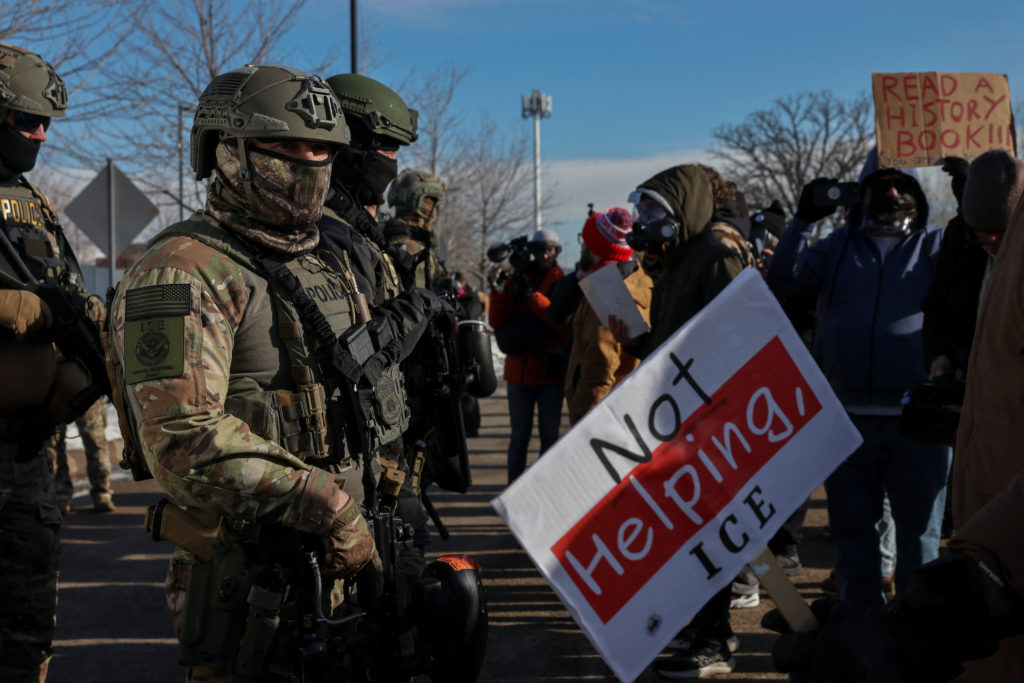
One notable example of her uncompromising approach was her firm defense of a fatal Minneapolis ICE shooting. In that instance, she not only backed the actions of the agents involved but also vowed to deploy hundreds more agents to bolster enforcement efforts. This resolute stance underscores her commitment to what she views as strong national security and effective border management, even in the face of public outcry and tragic outcomes. Her rhetoric often emphasizes the need for decisive action to secure the nation's borders and enforce immigration laws, aligning with a "tough on borders" ideology that has been a hallmark of certain political factions.
This recent court decision adds another layer to Secretary Noem's controversial Homeland Security actions, painting a picture of an administration frequently at odds with legal challenges regarding its operational mandates. Her tenure has been characterized by a willingness to push the boundaries of executive authority, often leading to confrontations with civil liberties advocates, immigrant rights organizations, and ultimately, the judiciary. The recurring theme is a tension between the executive's desire for swift, decisive action and the judiciary's role in upholding legal process and protecting individual rights.
Implications for Future Immigration Policy
The ruling against Secretary Noem carries significant implications for the future direction of U.S. immigration policy and the exercise of executive power. Firstly, it sends a clear signal to future Secretaries of Homeland Security that they must carefully consider the legal ramifications and procedural requirements before altering established immigration protections. Unilateral executive action, without sufficient legal basis or adherence to administrative law, is likely to be challenged and potentially overturned by the courts.
Secondly, this decision could embolden immigrant rights advocates and legal organizations to challenge other similar executive policies that they deem to be legally questionable or harmful to vulnerable populations. It establishes a judicial precedent that can be cited in future lawsuits, potentially leading to a broader re-evaluation of numerous immigration directives issued by the executive branch. This strengthens the hand of the judiciary in ensuring that immigration policies, critical to both national security and humanitarian concerns, are crafted and implemented in a manner consistent with U.S. law and constitutional principles.
Ultimately, this ruling reinforces the principle of judicial oversight as a vital component of the American system of governance. It underscores that even in areas as sensitive as national security and immigration, the executive branch is not above the law and must operate within the confines of its constitutionally defined powers. This delicate balance ensures accountability and protects against potential overreach, safeguarding the rights of all individuals under U.S. jurisdiction.
Practical Advice for Immigrant Communities and Advocates
For Venezuelan and Haitian nationals who were affected by Secretary Noem's policy, this ruling brings immediate relief and renewed hope. However, the landscape of immigration law is constantly shifting, and vigilance remains paramount. Here is some practical advice:
- Seek Legal Counsel: Individuals who believe they are impacted by this ruling should immediately consult with an experienced immigration attorney or a reputable legal aid organization. Laws are complex, and individual circumstances vary.
- Stay Informed: Keep abreast of official updates from the Department of Homeland Security, U.S. Citizenship and Immigration Services (USCIS), and reliable news sources.
- Document Everything: Maintain thorough records of all immigration applications, communications, and legal documents.
- Community Support: Connect with local immigrant advocacy groups. These organizations often provide valuable resources, workshops, and support networks.
For immigrant advocates and organizations, this ruling is a significant victory that demonstrates the power of litigation in safeguarding immigrant rights. It highlights the importance of continued monitoring of executive actions, strategic legal challenges, and robust advocacy efforts. The legal battle for fair and humane immigration policies is ongoing, and each successful court challenge contributes to building a stronger, more equitable system.
Conclusion
The federal appeals court's decision to deem Secretary Kristi Noem's immigration policy illegal marks a critical moment in the ongoing national discourse surrounding executive authority and immigration enforcement. By striking down the removal of deportation protections for Venezuelan and Haitian nationals, the court has not only provided a lifeline to vulnerable communities but also reasserted the fundamental principle that executive actions, however well-intentioned or politically driven, must conform to the rule of law. This landmark ruling underscores the indispensable role of the judiciary in maintaining the delicate balance of power within the U.S. government, ensuring that human rights and legal processes are upheld even in the most contentious policy areas. As the nation continues to grapple with complex immigration challenges, this decision serves as a powerful reminder of the enduring importance of accountability, legal oversight, and the protection of due process for all.